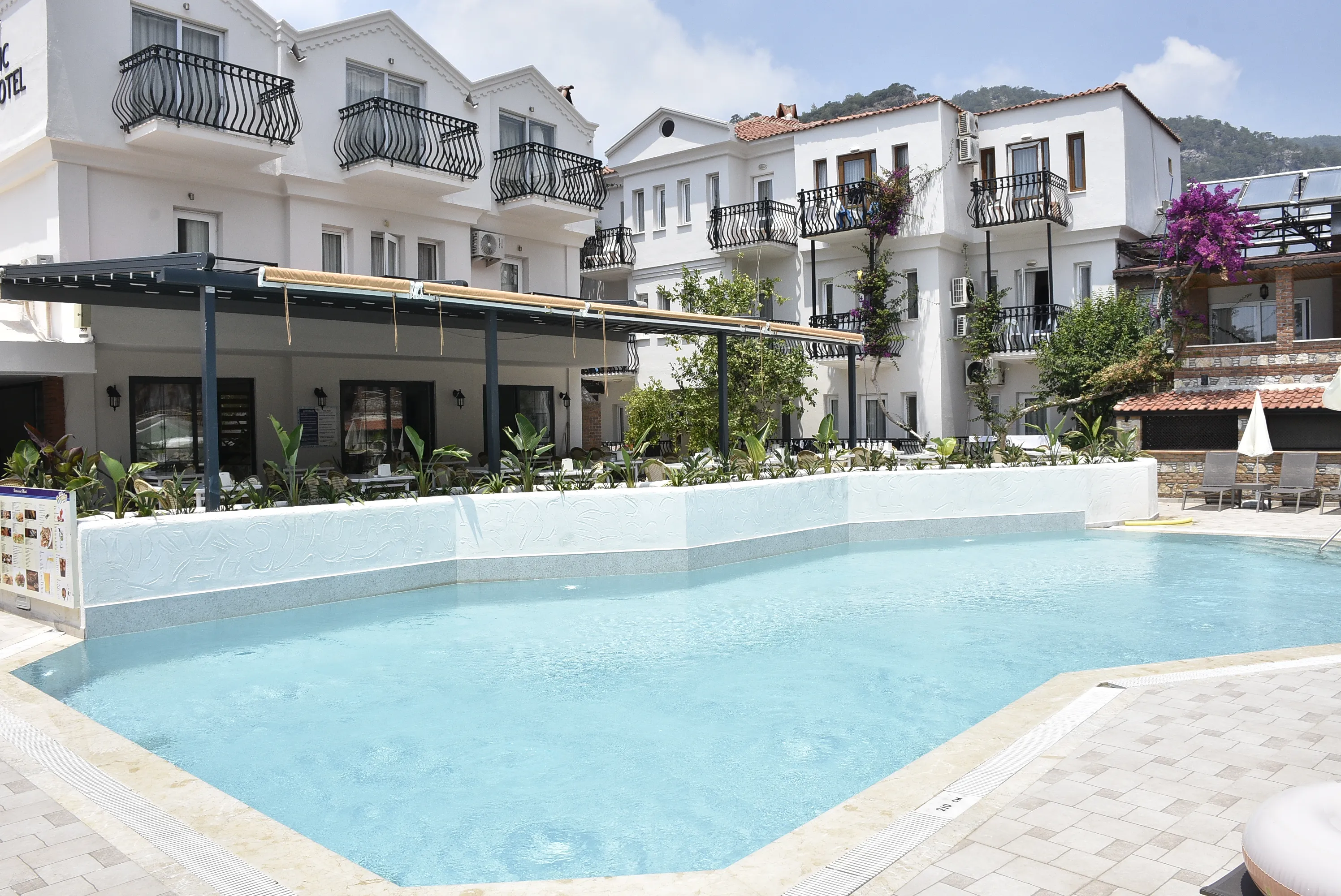
A lake view room promises a connection with the landscape, but a photograph shows only one angle at one moment. It cannot tell you how the room feels after dark, where your bags will go or whether the view is visible from a chair. When comparing a resort stay in 2026, use the image to form questions rather than to answer all of them.
Read the words beside the image
Heatherdown’s existing introduction describes waterfront suites and lake and forest views. These are broad descriptions, rather than a floor plan for a particular booking. Ask which room category the photograph represents and whether the outlook is direct, partial or dependent on position. A photograph from a terrace should not silently become your expectation of the view from the bed.
Consider where you expect to spend time. A large window can be attractive while offering little privacy when the curtains are open. A balcony may look generous but need separate questions about access and furniture. Keep the distinction between an advertised feature and an individual room assignment clear, especially when several photographs appear together without detailed captions.
Turn impressions into questions
- Can the water be seen from the main seating position?
- Does the category include the outdoor space shown?
- What faces the window at close range?
- Which details can be confirmed for the booking?
Imagine an ordinary hour inside
Picture arriving with coats and luggage, rather than standing in the doorway with a camera. Look for a clear path around the bed, somewhere to unpack and a place to sit without moving belongings. If you need a particular bathroom arrangement or step-free access, request precise information. A spacious-looking photograph is not a reliable measure of usable space.
Sleep deserves its own questions. Ask about curtains, ventilation controls and the room’s position relative to lifts or public areas. Do not infer silence from a peaceful view: a room can face water and still be close to an evening venue. Explain what matters to you in plain terms, such as an early bedtime, instead of relying only on a request for the best room.
- List the room features you need every day.
- Separate those needs from attractive extras.
- Ask for clarification where a description is broad.
- Keep the answers beside the rate and booking terms.
Compare the same things
A lake view room is easier to assess when each option is considered against the same small set of questions. Avoid giving one option a detailed examination while judging another from its strongest photograph. The table below is a reading aid, not a statement about amenities at Heatherdown or a promise that any particular request will be available.
| Detail | What to establish |
|---|---|
| Outlook | The view included in the selected category |
| Rest | Light controls and position near public spaces |
| Daily use | Storage, seating and bathroom arrangement |
| Booking | Which details are confirmed rather than requested |
Your plans outside the room can help you set priorities. After a day beside the lake, useful storage and a restful chair may be welcome. If the evening includes dinner and entertainment, think about the route between your room and public areas. A desirable location depends partly on how you intend to use the stay.
Keep screen leisure separate from room quality, too. A quiet setting does not explain a game’s rules or change the meaning of its balance. If you plan to look at a demonstration during a break, the iGaming reading guide covers those labels. The room decision should still stand on comfort, clarity and the booking details you can verify.
Author’s opinion
I would choose a clearly described lake view room over a more dramatic image with unanswered practical questions. The view is part of the pleasure, but the room also has to work when the curtains are closed. For me, a comfortable chair, understandable controls and a sensible place for luggage make the landscape easier to enjoy rather than competing with it.
Author: Ailith Rowan Merevale. Publisher: Heatherdown Window Detail Review.